
The Whole Health Yoga Methodology
How Individualized Yoga Practices Support Meaningful Change
Throughout this series, I have introduced the Pancha Koshas as the framework for understanding whole-person health and explored the models of practice used within therapeutic yoga. Trauma-informed principles, ethical practices, meditation, pranayama,asana, the chakra system, energetic patterns, and mudras each offer a different perspective for understanding health and well-being.
While each model of practice serves a unique purpose, they all work together to support a common methodology for cultivating awareness, discernment, intentional action, and whole-person well-being.
Within Whole Health Yoga, the methodology is not centered on teaching techniques. It is centered on helping individuals develop the awareness, discernment, and confidence to make intentional choices that support health at all levels of human experience.
Rather than asking which yoga practice is best, I consider how the models of practice can best support the individuals I am serving in developing self-awareness, discernment, and greater self-trust. The answer is rarely found in a single posture, breathing technique, meditation, or philosophy. Instead, meaningful change emerges through a collaborative process of education, individualized practice, and lived experience. The Whole Health Yoga methodology reflects that process.
The methodology is not centered on teaching techniques.
It is centered on helping individuals develop the awareness, discernment, and confidence
to make intentional choices that support health at all levels of human experience.

Education Creates Possibility
As a yoga therapist, I find great significance in being an educator.
Education expands what is possible. We cannot intentionally choose practices or behaviors that we have never been introduced to. Whether discussing the nervous system, breath, ethical practices, the chakras, or the qualities of the elements, my role is not to provide answers for clients but to expand their understanding so they have more possibilities from which to choose.
Education becomes the beginning of empowerment for each client.
Collaborative Choice Creates Individualized Practice
Trauma-informed care reminds us that choice is essential to healing.
After education comes collaboration.
Rather than prescribing a standardized sequence of practices, I invite clients into the decision-making process. Whether working individually or within a therapeutic group, education, collaboration, and choice remain central to the process. Together, we discuss the Pancha Koshas, explore the models of practice, and I listen to the client's own lived experience and intuition.
The client is not simply choosing a yoga practice. They are choosing an experience they feel ready to explore.
This collaborative process honors autonomy while recognizing that both therapist and client bring valuable perspectives to the therapeutic relationship. My role is to offer education, professional assessment, and therapeutic options. The client's role is to decide which practices feel meaningful, accessible, and appropriate for this season of life.
Individualized Yoga Practices
The Pancha Koshas provide the framework for understanding the whole person.
Within that framework, the models of practice become the therapeutic tools that support individualized care.
Depending on the needs of an individual or the shared intentions of a therapeutic group, these may include:
Trauma-informed principles
Ethical practices
Meditation
Pranayama
Asana
The chakra model
Energetic patterns through the elements, doshas, and vayus
Mudras
These models are not separate systems to master. They frequently overlap and complement one another within a single therapeutic experience.
What supports an individual through one season of life may vary as that individual transitions into a new season of life. As life changes, it becomes equally important to reassess which models of practice may best support the individual's current needs and goals.
Awareness Begins the Process of Change
Regardless of which practices are selected, they all cultivate one essential quality: awareness.
Clients begin noticing their breathing, bodily sensations, thoughts, emotions, energetic qualities, relationships, habits, and patterns.
Without awareness, meaningful change is difficult.
Awareness allows us to observe our experiences before automatically reacting to them. As awareness grows, individuals become increasingly able to observe their experiences without judgment. It is often within this practice of nonjudgment that meaningful change begins.
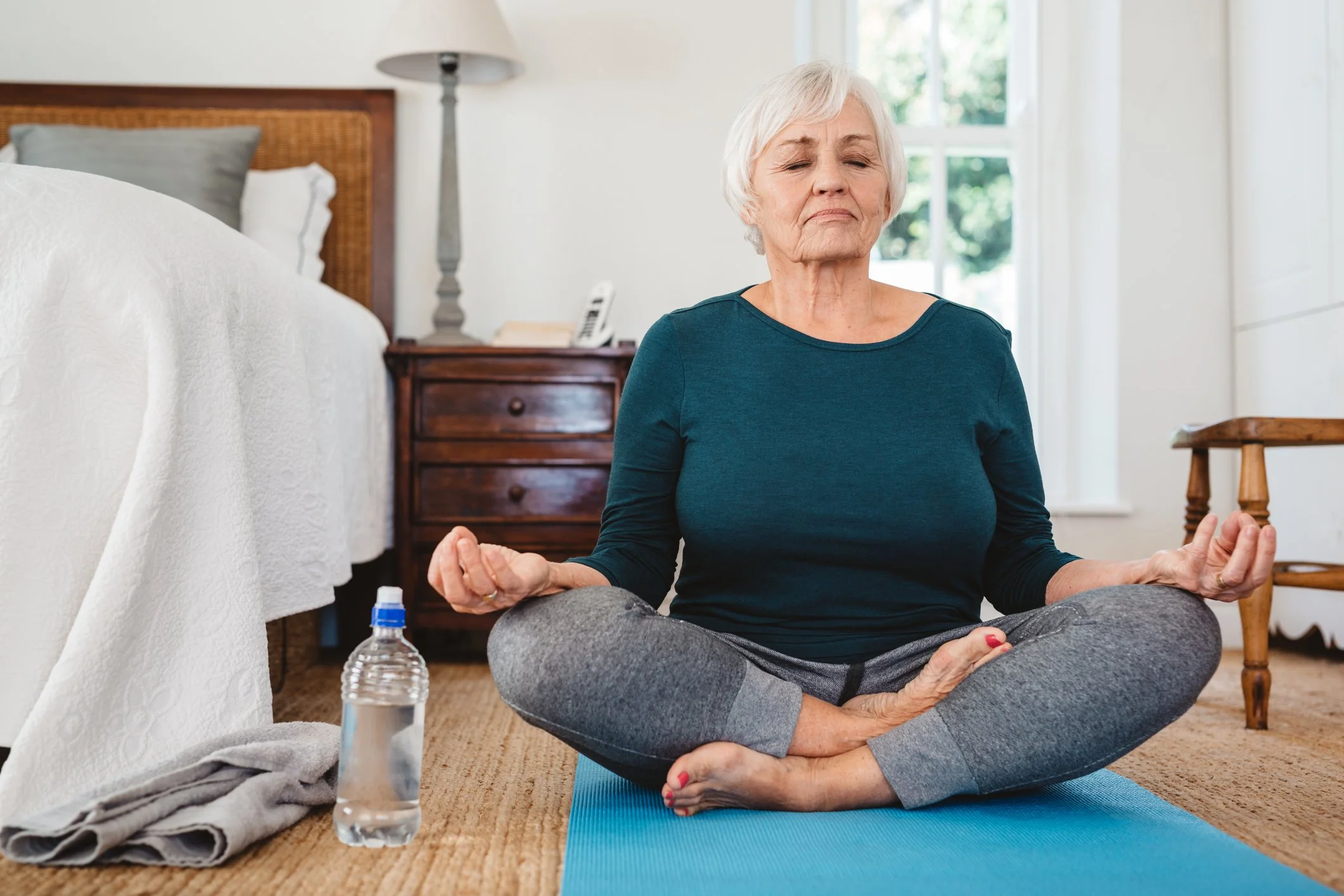
Embodiment transforms knowledge into lived experience and gives access to new personal wisdom.
Embodiment Deepens Understanding
Embodiment is living from an awareness of one's internal experience and allowing that awareness to inform thoughts, emotions, behaviors, and relationships.
Rather than thinking about stress, clients begin recognizing how stress is experienced within their own bodies.
Rather than learning about the positive impacts of intentional breathing, they experience how different breathing patterns influence their nervous system.
Rather than discussing grounding, they experience steadiness through movement, breath, and intention.
Embodiment transforms knowledge into lived experience and gives access to new personal wisdom.
Discernment Brings Wisdom to Experience
Years ago, I was introduced to the practice of discernment by a Catholic priest from India. His teaching profoundly influenced the way I understand both yoga and personal growth.
Rather than making decisions based on impulse, habit, or limited past experience, discernment invites us to notice our experience, reflect thoughtfully, seek wisdom, and choose the response that is most supportive for our long-term goals.
Over time, that understanding became one of the foundational principles of the Whole Health Yoga methodology.
Discernment asks us not only, "What am I experiencing?" but also, "What might best support greater balance right now?"
Intentional Choice Honors Autonomy
Discernment creates the possibility of choice.
Choice is more than selecting a yoga practice. It is the ongoing ability to respond intentionally rather than automatically.
This reflects one of the central principles of trauma-informed care: restoring autonomy and empowering individuals to participate actively in their own well-being.
As awareness and discernment develop, so does our capacity to make intentional choices grounded in the wisdom gained through direct experience.
Intentional Action Creates New Experiences
Intentional action is where awareness becomes lived experience.
The client is not simply choosing a practice; they are choosing to enter an experience, reflect on that experience, and decide how it informs their life.
That distinction is important.
Yoga is not separate from life. Every yoga practice is a real-life experience.
The yoga mat provides an opportunity to intentionally explore new ways of breathing, moving, thinking, and responding within a supportive environment. Clients are not preparing for life after yoga—they are practicing life itself.
As those intentional experiences are repeated, they naturally begin extending beyond formal practice into relationships, work, family life, and everyday decisions.
Meaningful Change Emerges Over Time
Meaningful change rarely occurs because of a single yoga posture, breathing technique, meditation, or mudra.
More often, it emerges through small, intentional experiences repeated consistently over time.
Growing research continues to explore how repeated mind-body practices may influence nervous system regulation, behavior, resilience, and even patterns of gene expression through the field of epigenetics. While much remains to be learned, this emerging body of evidence reflects a principle long understood within yoga: the experiences we intentionally cultivate today gradually influence the way we live tomorrow.
Whole Health Yoga does not seek quick fixes or perfect outcomes. Instead, it supports the gradual development of awareness, discernment, intentional action, and meaningful change through consistent practice and lived experience.
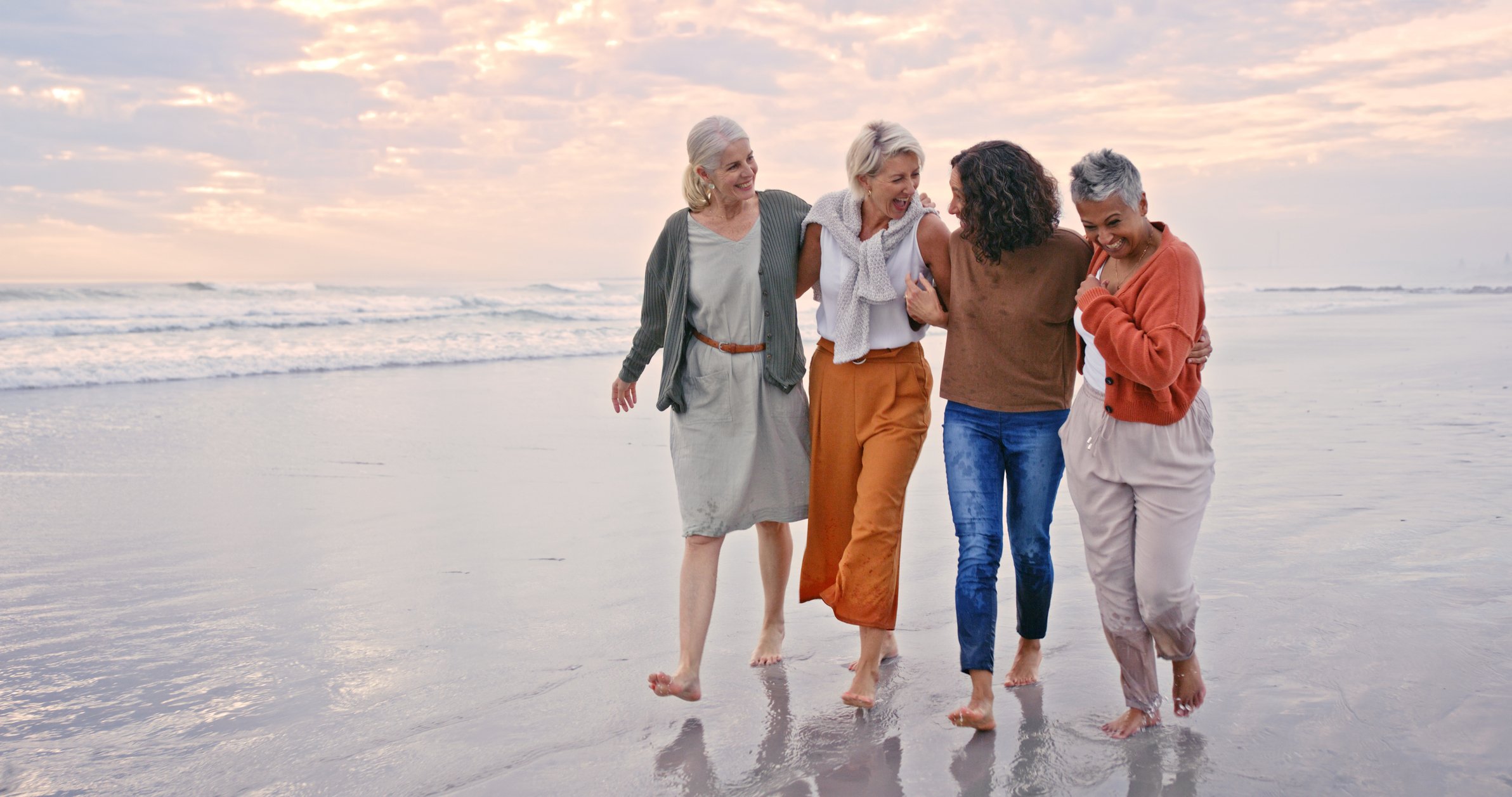
The measure of success is not dependence on the therapist, but growing confidence in one's own wisdom, self-trust, and capacity to navigate life.
Bringing the Whole Health Yoga Methodology Into Practice
The Whole Health Yoga methodology is not defined by any single model of practice.
It is defined by the thoughtful integration of individualized yoga practices that support whole-person well-being through education, collaboration, awareness, embodiment, discernment, choice, and intentional action.
Whole Health Yoga intentionally guides clients toward greater self-trust and autonomy. One of the beautiful paradoxes that has made me smile throughout my career is that we often learn autonomy through relationships. Education, collaboration, and individualized therapeutic experiences create opportunities for clients to strengthen awareness, embodiment, discernment, and intentional choice within the safety of a therapeutic relationship. Over time, these experiences become internalized, allowing clients to rely less on the therapist and more on their own wisdom, deepen their self-trust, and navigate life's experiences with greater confidence.
Ultimately, Whole Health Yoga is about learning to live with greater awareness,
wisdom, intention, and connection throughout every season of life while cultivating deeper self-trust and self-love.
Through education, individualized practice, and lived experience, clients gradually develop the confidence to listen to themselves more deeply, trust their own inner wisdom, and make intentional choices that support their long-term health and well-being.
Every person's journey is unique. Whether experienced through individual yoga therapy sessions or therapeutic group programs, the methodology remains grounded in education, collaboration, individualized practice, and the development of greater self-trust.
Ultimately, Whole Health Yoga is about learning to live with greater awareness, wisdom, intention, and connection throughout every season of life while cultivating deeper self-trust and self-love.
About the Author
Wendy Cook is the founder of Whole Health Yoga (WHY), a therapeutic yoga practice that blends the art and philosophy of yoga with evidence-informed approaches to whole-person well-being. With more than two decades of teaching experience, Wendy has worked in behavioral health settings, corporate environments, athletics, and individualized therapeutic care.
Since 2014, she has trained more than 300 yoga teachers through her Yoga Alliance–registered 200-hour teacher training programs. Her current hybrid training model combines virtual learning, individualized mentoring, and an in-person immersion experience in Guadarrama, Spain. Through this work, Wendy continues to cultivate a supportive teacher community grounded in ongoing education, mentorship, and meaningful connection.
Through Whole Health Yoga, Wendy offers 1:1 and small-group therapeutic yoga sessions designed to support individuals in cultivating greater balance, awareness, and overall well-being.
Ready to take your first step toward therapeutic yoga—or teaching?Explore our 1:1 and small group therapeutic yoga offerings or join our next 200-hour YTT.