
Pranayama as a Model of Practice Within Therapeutic Yoga
Exploring the Relationship Between Breath, Awareness, and Regulation
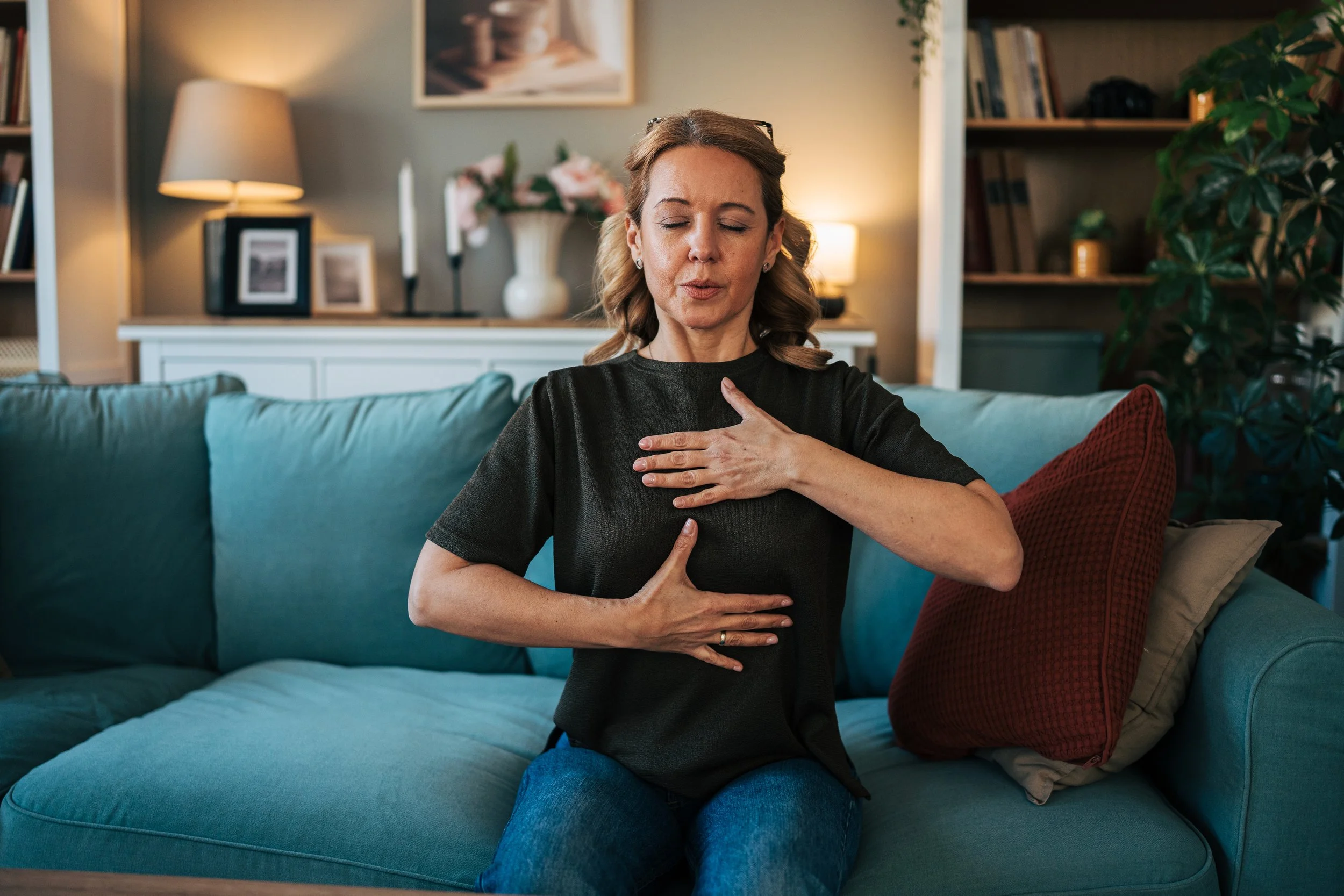
Awareness often precedes change.
Within Whole Health Yoga, the models of practice are not approached as isolated techniques, but rather as interconnected approaches that support whole-person well-being. The Pancha Koshas provide the framework for understanding the many layers of human experience. As discussed in previous blogs, trauma-informed principles create the relational foundation through which all other models are offered, ethical practices of yoga provide guidance for how they are embodied, and meditation cultivates awareness of present-moment experience.
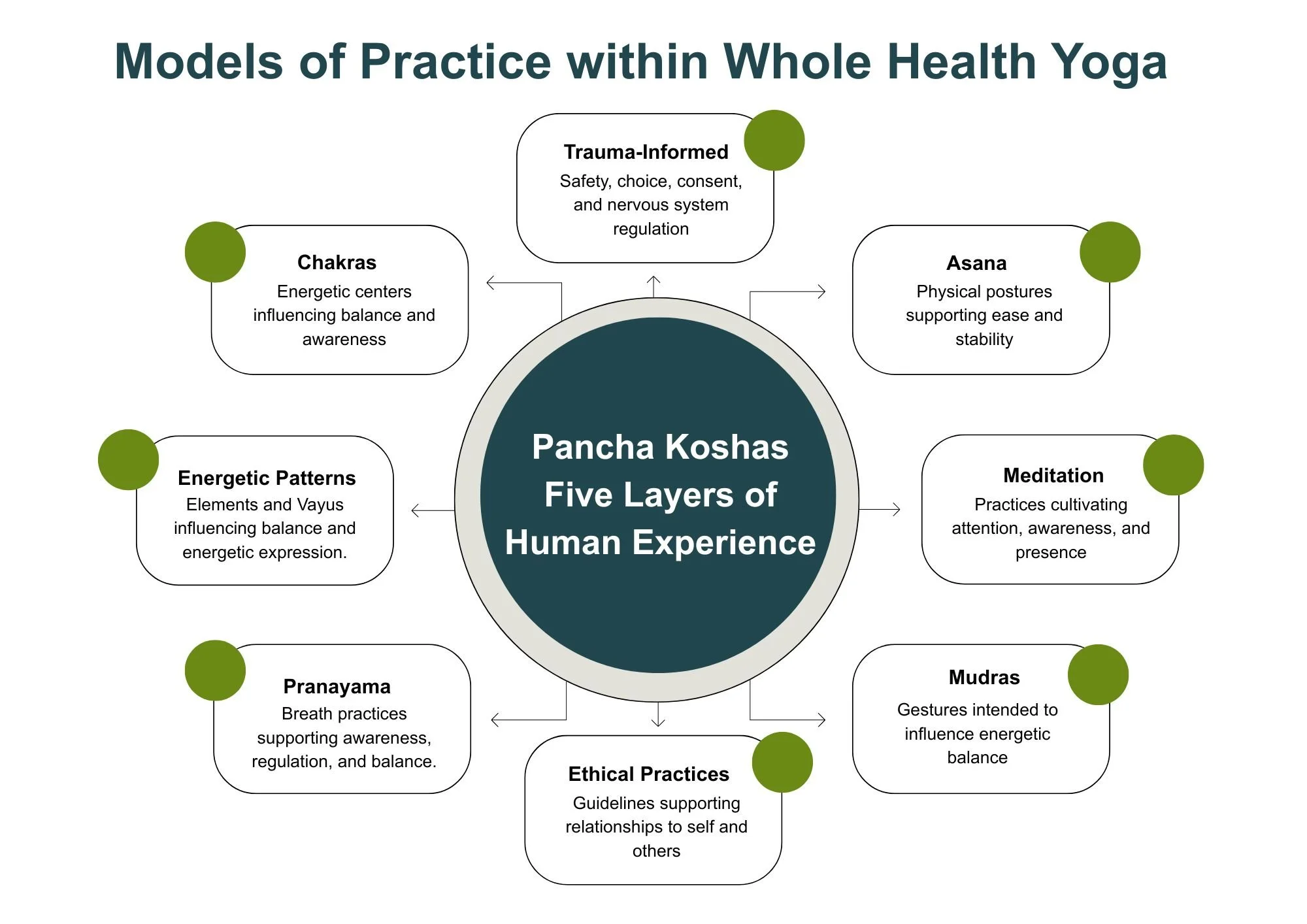
In this blog, I explore how pranayama serves as another model of practice within Whole Health Yoga, supporting awareness, regulation, and balance through an intentional relationship with the breath. Through observation, regulation, and mindful engagement with breathing patterns, pranayama offers a way to explore the connection between the body, energy, thoughts, emotions, and overall well-being.
Pranayama Begins with Awareness
The word pranayama is often translated as breath control. While many pranayama practices do involve intentionally influencing the breath, within therapeutic yoga the process often begins with something much simpler: awareness.
Before changing the breath, individuals are invited to notice it. Is the breath fast or slow? Deep or shallow? Smooth or restricted? Is it felt primarily in the chest, ribs, abdomen, or throat? What happens to the breath during stress, concentration, rest, or emotional experiences?
This process of observation reflects a broader principle found throughout Whole Health Yoga. Awareness often precedes change. By learning to observe the breath without immediately trying to control it, individuals begin developing a deeper understanding of their own patterns and experiences.
Breath as a Bridge Between the Layers of Human Experience
Breath occupies a unique place within yoga practice because it influences multiple layers of human experience simultaneously.
Through the framework of the Pancha Koshas, pranayama may be understood as a practice that bridges the physical body, energetic body, and psycho-emotional layers of experience. As awareness of the breath develops, individuals often begin recognizing the relationship between breathing patterns, thoughts, emotions, energy levels, and physical sensations.
At the physical level, breathing supports the body's basic physiological functions. Within the energetic layer, breath has long been understood as a vehicle for prana, or life energy. Breath also influences emotional experiences, mental states, concentration, and overall well-being.
Regulation Rather Than Relaxation
Many people associate breathwork with relaxation. While some breathing practices may encourage calm and ease, others may increase alertness, energy, focus, or concentration.
Within therapeutic yoga, the goal is not always relaxation. Instead, pranayama is often used to support regulation.
At different times, an individual may benefit from practices that promote grounding, steadiness, focus, energy, or rest. Both calming and energizing breathing practices can contribute to a healthier and more resilient nervous system when selected appropriately and practiced with awareness.
This understanding highlights the importance of approaching pranayama as more than a collection of breathing exercises. The intention is not simply to create a specific feeling, but to develop a greater understanding of how breath influences one's unique experience.
An Individualized Approach to Pranayama
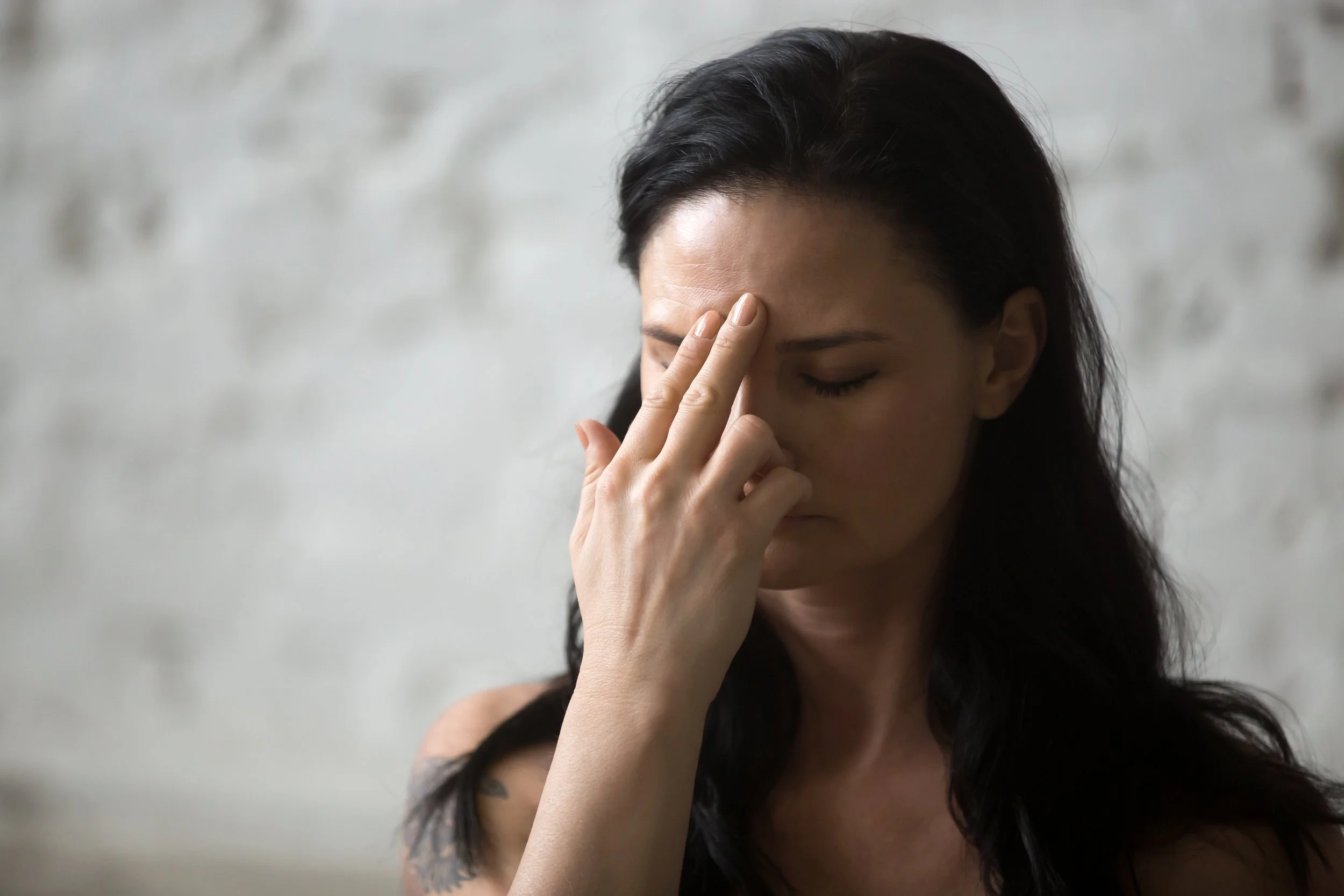
Understanding how a practice is traditionally understood can be helpful, but learning how it influences your own body, mind, and nervous system is equally important.
Just as movement practices and meditation practices are adapted to the individual, pranayama should also be approached with consideration for a person's health history, life experiences, nervous system patterns, and current needs.
Within Whole Health Yoga, clients often begin with simple observation of their natural breath before exploring more structured practices. As awareness develops, practices such as Ujjayi, Dirgha, Nadi Shodhana, Bhramari, Sitali, Sitkari, Kapalabhati, and breath retention may be introduced when appropriate.
Traditional teachings often describe the general effects of different pranayama practices. However, individuals may respond differently based on their experiences and circumstances. For this reason, pranayama is approached with curiosity and observation rather than assumptions. Understanding how a practice is traditionally understood can be helpful, but learning how it influences your own body, mind, and nervous system is equally important.
Pranayama practices may also vary in length. Meaningful benefits may begin with only a few minutes of intentional practice. Short periods of breath awareness or regulation often provide an accessible starting point that can gradually evolve over time.
Pranayama and Therapeutic Yoga
Through years of teaching therapeutic yoga within behavioral health, healthcare-adjacent, and community settings, I have observed that breath awareness often serves as one of the most accessible entry points into therapeutic practice.
The breath is always available. It requires no special equipment, flexibility, or previous experience. Yet many individuals discover that they have rarely been invited to consciously observe their breathing patterns.
Pranayama may offer an opportunity to reconnect with the body, cultivate awareness, explore patterns of stress and regulation, and develop greater self-understanding. Over time, this process may support greater resilience, adaptability, and well-being across the many layers of human experience.
In practice, the models of practice often overlap and complement one another. For some individuals, breath awareness may be introduced through physical movement before exploring more subtle breath practices. Coordinating simple movements with Ujjayi breath, for example, may provide a tangible and accessible way to begin experiencing the relationship between body, breath, and awareness. This can be particularly helpful for individuals who feel disconnected from bodily sensations or who are not yet comfortable directing attention toward the more subtle aspects of the breath.
As awareness develops, practices may gradually become more internal. A client may explore Bhramari pranayama while simultaneously practicing Bhu Mudra, integrating breath, sensory awareness, and energetic intention within a single therapeutic experience. In this way, pranayama is not experienced as an isolated technique, but as part of a broader whole-person approach to health and well-being.
Pranayama is not experienced as an isolated technique,
but as part of a broader whole-person approach to health and well-being.
Bringing Breath Into Practice
Pranayama is one of many models of practice used within Whole Health Yoga to support balance and well-being. While breath practices are often introduced through structured techniques, their influence extends beyond formal practice. Greater awareness of the breath may influence the way individuals respond to stress, navigate emotions, cultivate focus, and engage with daily life.
Because breath is present in every moment, pranayama offers a model of practice that can be integrated throughout the day. Whether through simple observation, intentional regulation, or more traditional breathing practices, the breath provides an ongoing opportunity to cultivate awareness, balance, and connection across the many layers of human experience.
About the Author
Wendy Cook is the founder of Whole Health Yoga (WHY), a therapeutic yoga practice that blends the art and philosophy of yoga with evidence-informed approaches to whole-person well-being. With more than two decades of teaching experience, Wendy has worked in behavioral health settings, corporate environments, athletics, and individualized therapeutic care.
Since 2014, she has trained more than 300 yoga teachers through her Yoga Alliance–registered 200-hour teacher training programs. Her current hybrid training model combines virtual learning, individualized mentoring, and an in-person immersion experience in Guadarrama, Spain. Through this work, Wendy continues to cultivate a supportive teacher community grounded in ongoing education, mentorship, and meaningful connection.
Through Whole Health Yoga, Wendy offers 1:1 and small-group therapeutic yoga sessions designed to support individuals in cultivating greater balance, awareness, and overall well-being.
Ready to take your first step toward therapeutic yoga—or teaching?Explore our 1:1 and small group therapeutic yoga offerings or join our next 200-hour YTT.